Sport Pilot vs Private Pilot: Choose Your First Certificate

Published by
Rich CoxPublished on
Read time
9 min read
If you are comparing sport pilot vs private pilot, you are already asking the right question: what do I want flying to do for my life after the checkride?
Sport pilot is the more focused first certificate for recreational flying, local proficiency, and a simpler mission. Private pilot is the broader first certificate for students who want more operating flexibility, passenger options, night training, longer cross-country flying, and a smoother path toward advanced ratings.
At Dayton Aviation Services, we help students compare both paths from our schoolhouse at Moraine Airpark. The best first certificate fits your flying goals, medical planning, schedule, budget, and plans after training.
Start With the Flying You Actually Want to Do
Before you compare hour minimums, aircraft, or checkride prep, picture the kind of flying that made you search for how to become a pilot.
If you want to fly for recreation, stay local, take one passenger, and enjoy the cockpit before pursuing bigger travel or advanced ratings, sport pilot training may be a strong first fit. It includes disciplined aircraft control, weather judgment, solo preparation, and a successful FAA practical test.
If your goal includes flying more passengers, building longer personal travel plans, training at night, or using the first certificate as the foundation for instrument training, commercial training, or aircraft ownership, private pilot training is usually the more direct first step.
Here is the simple version we use with new students: sport pilot can be enough when the mission is focused. Private pilot gives you more room when your future plans are wider.
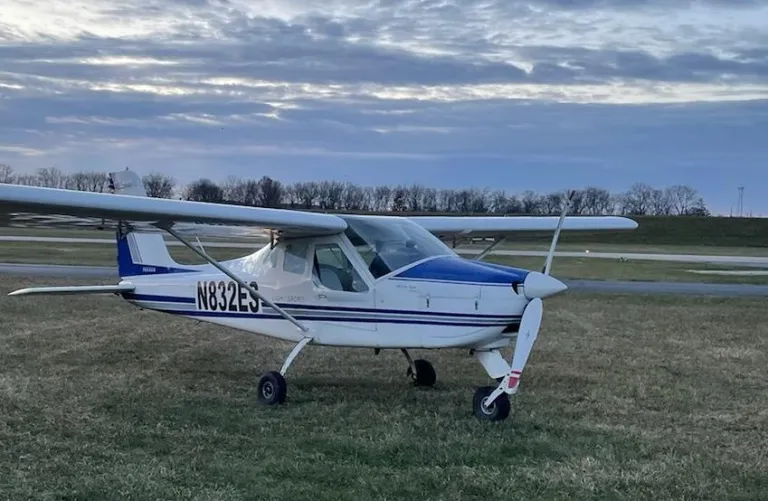
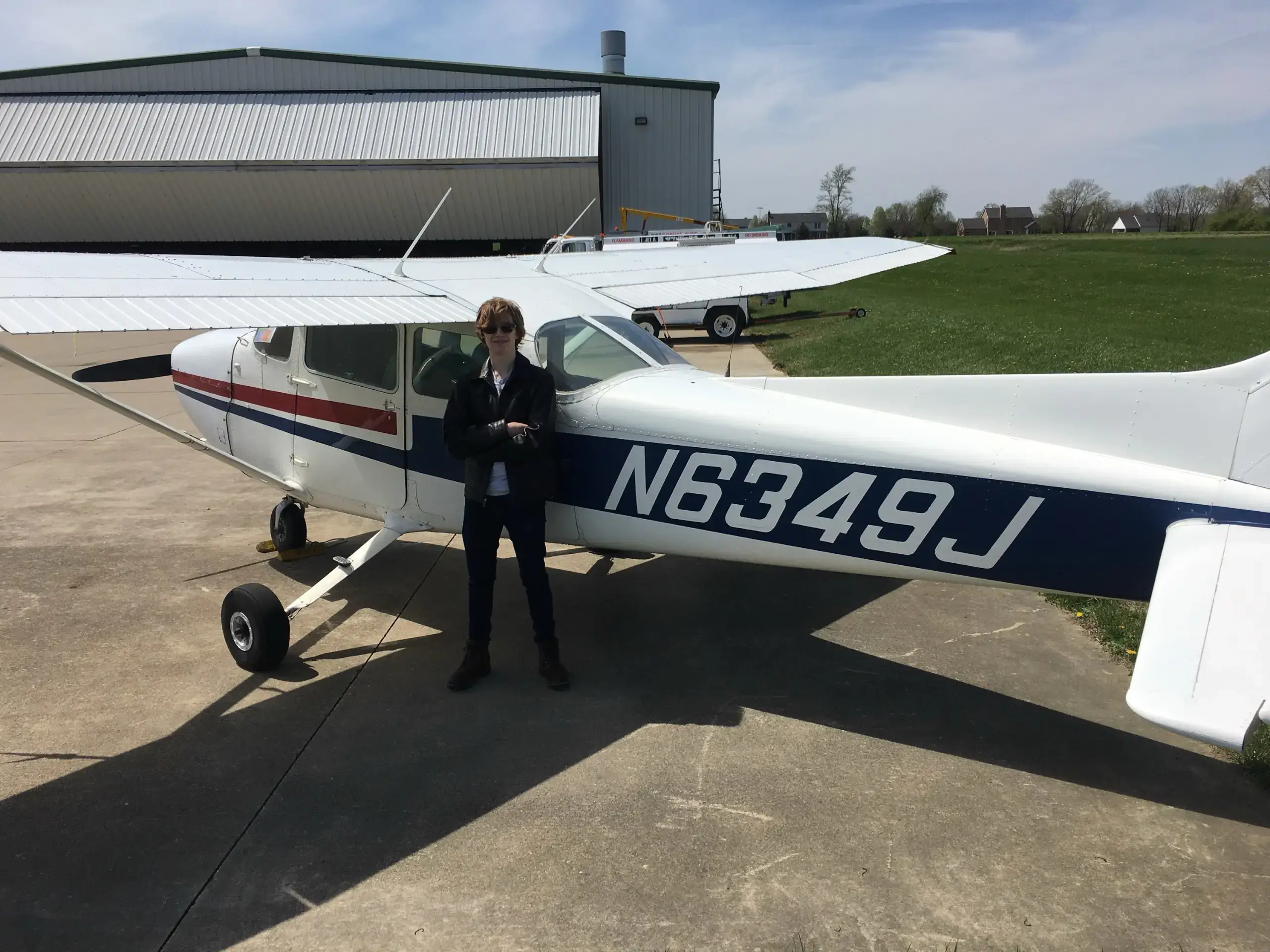
The Tecnam P92 gives sport pilot students a focused training aircraft for recreational flying goals.
Compare the Certificates by Mission and Training Fit
The FAA minimum-hour difference matters, although mission fit and checkride readiness matter more. Under Part 61, the sport pilot airplane path has a lower minimum-hour requirement than private pilot training, while private pilot airplane applicants need at least 40 hours of flight time. Many students need additional training beyond the minimum before they are ready for the practical test.
Training time, total cost, and checkride readiness depend on proficiency, lesson frequency, weather, aircraft availability, study habits, and how consistently you fly. Our Part 61 training environment lets instructors adjust lesson pacing around those variables.
| General situation | First certificate to compare | Why it may fit | Possible next step |
|---|---|---|---|
| Local recreational flying, a focused airplane mission, and a simpler first certificate | Sport Pilot | It keeps the training path centered on sport-pilot privileges and limitations | Schedule a discovery flight or talk with us |
| Personal travel, broader passenger goals, night training, and later ratings | Private Pilot | It creates a wider foundation for future training and aircraft options | Start with private pilot program details or enroll when you are ready |
| You are excited but unsure which path fits | Sport Pilot or Private Pilot | The right answer depends on your mission, medical planning, schedule, and budget | Use a first flight or schoolhouse conversation to compare before committing |
| You already know you want instrument, commercial, or instructor training later | Private Pilot | It is usually the more direct foundation for advanced ratings and certificates | Review our programs and ask us to map the sequence |
The comparison becomes easier when you stop asking, “Which one is faster?” and start asking, “Which one gets me to the kind of pilot I actually want to become?”
Sport Pilot Fits a Focused Recreational Mission
Sport pilot training can be a good match when your first goal is to fly for personal enjoyment, build local confidence, and become pilot in command within a defined set of privileges and limitations.
At Dayton Aviation Services, our Sport Pilot program is centered on the Tecnam P92. Training includes the same serious building blocks every new pilot needs: preflight inspection, cockpit setup, aircraft control, takeoffs and landings, radio communication, navigation, weather decisions, emergency procedures, solo preparation, and checkride readiness.
That makes sport pilot a focused path with serious training expectations. The certificate has a specific mission. You need to understand the aircraft you are allowed to fly, the passenger and operating limits that apply, the airspace endorsements you may need, and how current FAA rules affect your options.
The sport pilot path may also be attractive if medical certification is part of your planning. When FAA rules permit, sport pilot rules may allow a valid U.S. driver’s license as the qualifying medical basis, but confirm eligibility early before you plan your training around that option. For medical questions, use FAA resources, an Aviation Medical Examiner, and a direct conversation with the schoolhouse.
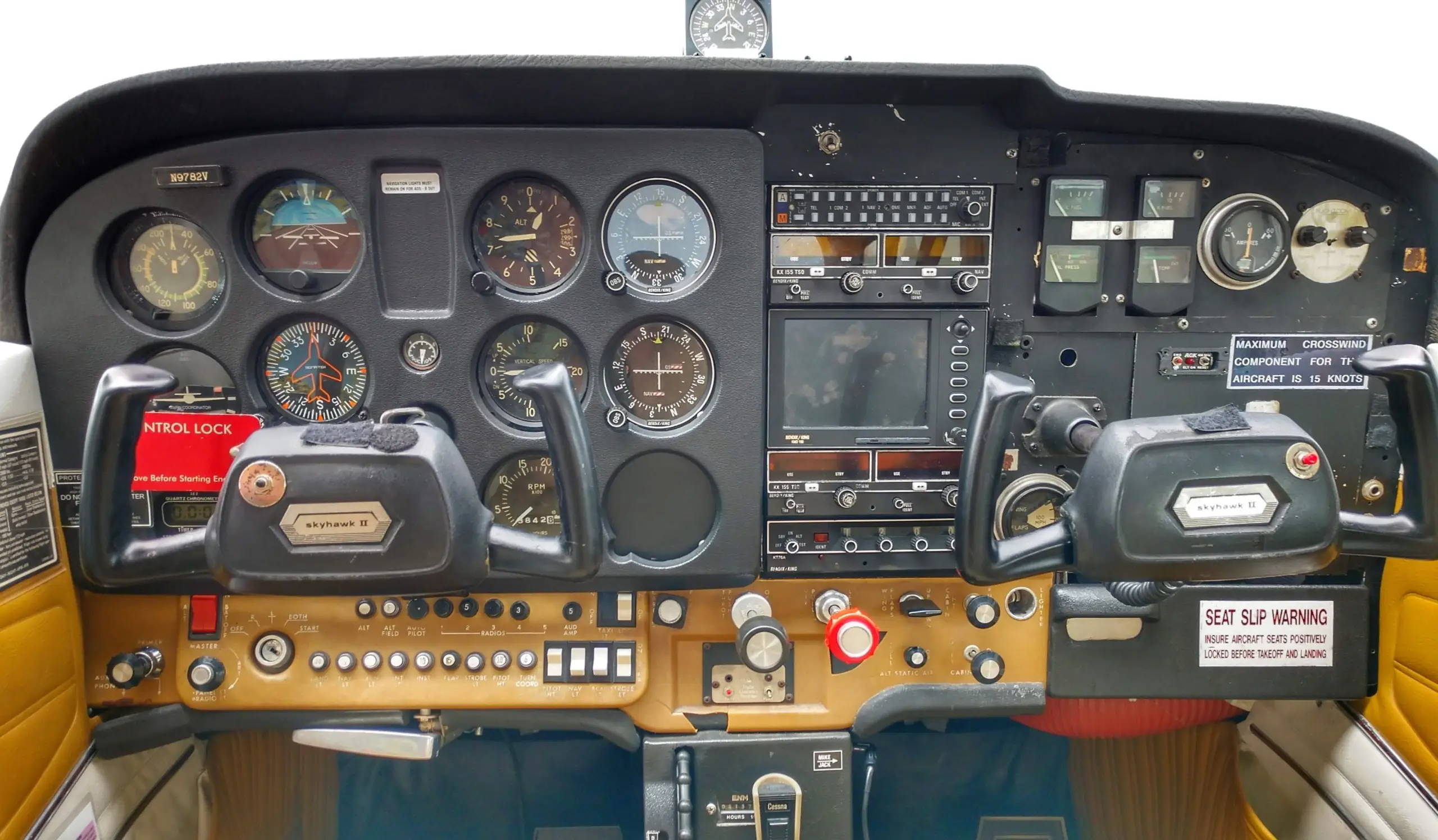
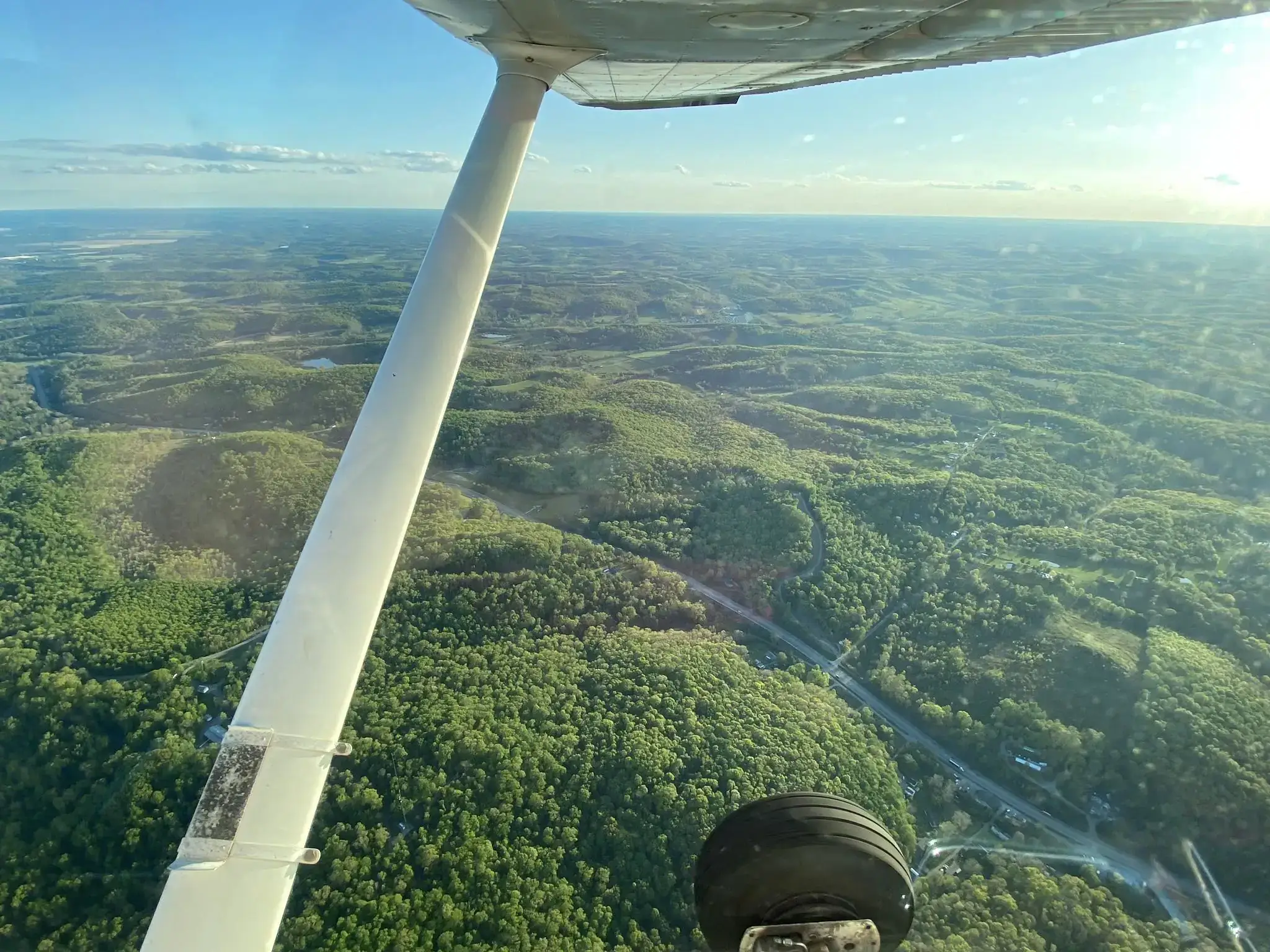
Sport pilot training still builds cockpit discipline, checklist habits, and practical decision-making.
Private Pilot Gives You a Wider Foundation
Private pilot training is the better option if your goals stretch beyond a focused recreational mission. It is often the starting point for pilots who want broader personal travel, more passenger flexibility, night operations, aircraft ownership, instrument rating training, or a longer aviation pathway.
A private pilot certificate allows noncommercial flying privileges within the rules, ratings, endorsements, and medical qualifications that apply. It gives you a wider foundation for personal flying, later ratings, and additional experience.
Our Private Pilot program moves through aircraft control, first solo preparation, cross-country planning, night flying, weather decisions, navigation, and checkride readiness. That wider training scope is one reason many students choose private pilot first, even when sport pilot is available.
If you can already hear yourself saying, “I might want to fly family on trips,” or “I may want an instrument rating later,” private pilot deserves a serious look. A first certificate should give known goals enough room to grow.
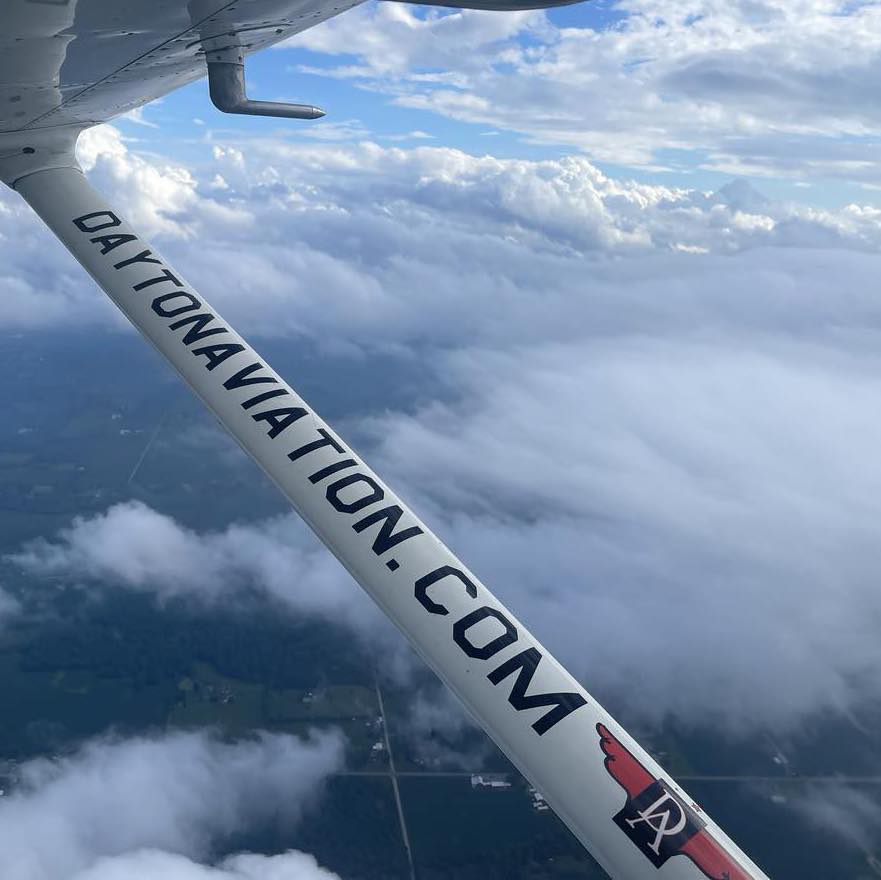
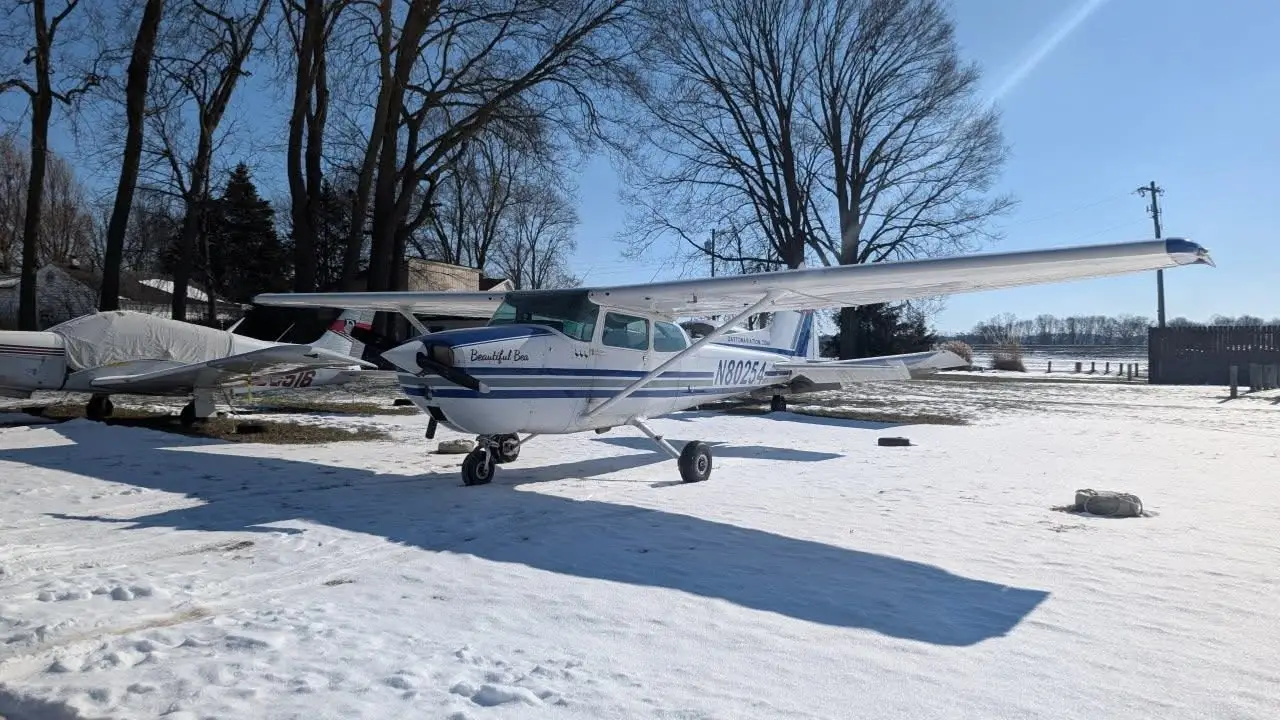
Private pilot training gives students a broader foundation for personal flying and later ratings.
Medical, Budget, and Schedule Questions Can Change the Answer
Privileges matter, and so do the practical questions behind what you can responsibly start, sustain, and finish.
For medical planning, private pilot students should address FAA medical or qualifying BasicMed questions early, especially before investing heavily in training. Sport pilot students should also confirm whether the driver’s-license option fits their situation before treating it as the deciding factor. We can help you understand which questions to take to FAA resources or an Aviation Medical Examiner.
For budget planning, avoid comparing only the FAA minimum hours. A lower minimum can make sport pilot a more focused path, but your actual cost depends on how often you fly, how quickly you build proficiency, ground-study habits, aircraft and instructor rates, weather, testing, supplies, and examiner fees. Private pilot training has a broader scope, so your estimate should separate aircraft time, instructor time, ground preparation, testing, supplies, and practical-test costs.
For schedule planning, consistency matters. Students who fly regularly often keep skills sharper between lessons. Students who have long gaps may spend more time rebuilding proficiency. Our training setup lets us shape a plan around work, family, school, and weather with pacing that fits the individual student.
If financing or payment timing is part of the decision, bring that up early. We can talk through current rates, payment planning, and the questions to answer before you commit to either Sport Pilot or Private Pilot training.
A Discovery Flight Can Make the Choice Less Abstract
Reading about certificates helps, but the cockpit teaches you things a comparison chart cannot. A discovery flight lets you meet the team, see the schoolhouse, sit in an airplane, follow the flow with an instructor, and decide whether the training environment feels like a fit.
That first flight can also sharpen the comparison. You may land excited about a focused local flying goal, or you may realize that private pilot training gives your future plans more room. Either way, you leave with better questions before enrolling.
At Moraine Airpark, we can talk through your first certificate in plain terms:
- What do you want to do after the checkride?
- Who do you want to fly with?
- How far do you want aviation to take you?
- Do medical, cost, or schedule factors need attention before you choose?
- Would a focused sport path serve you, or would private pilot keep more doors open?
Arrive with a starting point and a willingness to compare the paths honestly. The final answer can come after you see the aircraft, instructor style, and training environment.
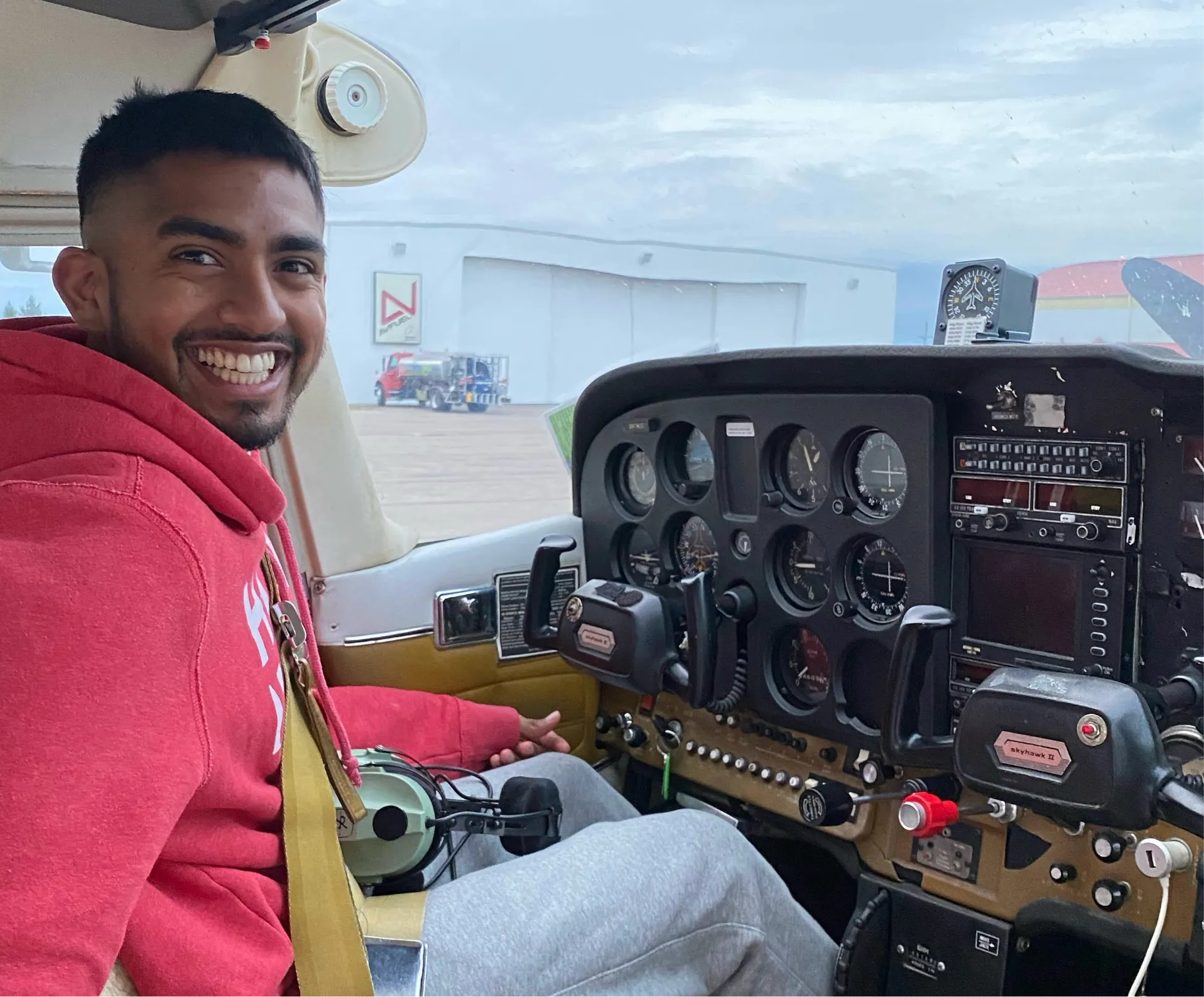
A first flight can turn certificate research into a real training conversation.
Common Sport Pilot vs Private Pilot Questions
Is sport pilot easier than private pilot?
Sport pilot is more focused, but that does not make it unserious. You still need safe aircraft control, good judgment, solo readiness, and checkride preparation. The better question is whether the sport pilot privileges match your flying goals. Start with our Sport Pilot program if your mission is recreational and local.
Is private pilot better if I want to keep training later?
Yes. If you already want an instrument rating, commercial training, instructor training, aircraft ownership, or broader personal travel, Private Pilot is the more direct foundation. It gives you more room to grow after the first checkride.
Do sport pilots need an FAA medical certificate?
Sport pilot rules may allow a valid U.S. driver’s license instead of an FAA medical certificate when FAA rules permit. Do not treat that as personal medical advice. Confirm eligibility early, especially if medical history is part of your decision, and contact us so we can help you identify the right next resource.
Which certificate costs less?
Sport pilot can involve a more focused training scope, but total cost is not guaranteed by the minimum-hour number. Cost depends on proficiency, schedule consistency, aircraft and instructor rates, study habits, weather, testing, supplies, and examiner fees. We can help you compare current planning numbers before you enroll.
Should I start with a discovery flight before choosing?
Yes, if you are still deciding. A discovery flight lets you experience the cockpit and schoolhouse before making a larger training commitment. It can make the sport-versus-private decision much more concrete.
Choose the First Certificate That Fits the Pilot You Want to Become
Sport pilot may be the right first certificate if your goal is focused recreational flying with a defined mission. Private pilot may be the better first certificate if you want broader privileges, more future training options, or a foundation for longer personal flying goals.
If you are choosing between the two, start with a conversation at Dayton Aviation Services. We will help you compare your goals, medical planning, schedule, budget, and aircraft fit so your first certificate supports the kind of flying you actually want to do.
Book a discovery flight at Moraine Airpark and bring your sport-vs-private questions with you. We will help you turn the comparison into a training plan.