Aircraft Rental in Dayton: Keep Flying After Your Certificate

Published by
Rich CoxPublished on
Read time
9 min read
If you are searching for aircraft rental in Dayton after earning your certificate, you are probably past the “can I become a pilot?” question. Now the question is: how do you keep flying enough that the certificate stays part of your life?
Aircraft rental gives you a way to keep building confidence after the checkride. A strong plan starts with the right aircraft, a clean checkout, a realistic budget, and a reason to fly again before too much time slips by.
At Dayton Aviation Services, our rental options at Moraine Airpark help pilots move from training into real-world flying with familiar aircraft, instructor support when needed, and a schoolhouse that still cares about the habits you build after the certificate.
Your Certificate Opens the Door, but the Checkout Sets the Habit
The first few flights after a certificate can feel different. During training, your lessons had a syllabus, an instructor, and a next assignment. After the checkride, you have more freedom, which also means you need a better plan.
A rental checkout helps connect your certificate to the specific airplane you want to fly. Aircraft rental requirements depend on the aircraft, your certificate and ratings, your recent experience, your checkout status, and the policies that apply. That is why you should start with what you want to do and how the airplane fits that mission.
If you earned your Private Pilot certificate, you may be thinking about taking a friend up, practicing landings, making a short cross-country, or staying sharp for future Instrument Rating training. If you trained somewhere else and are new to Dayton, we can help you understand the checkout path before you plan around an aircraft or schedule.
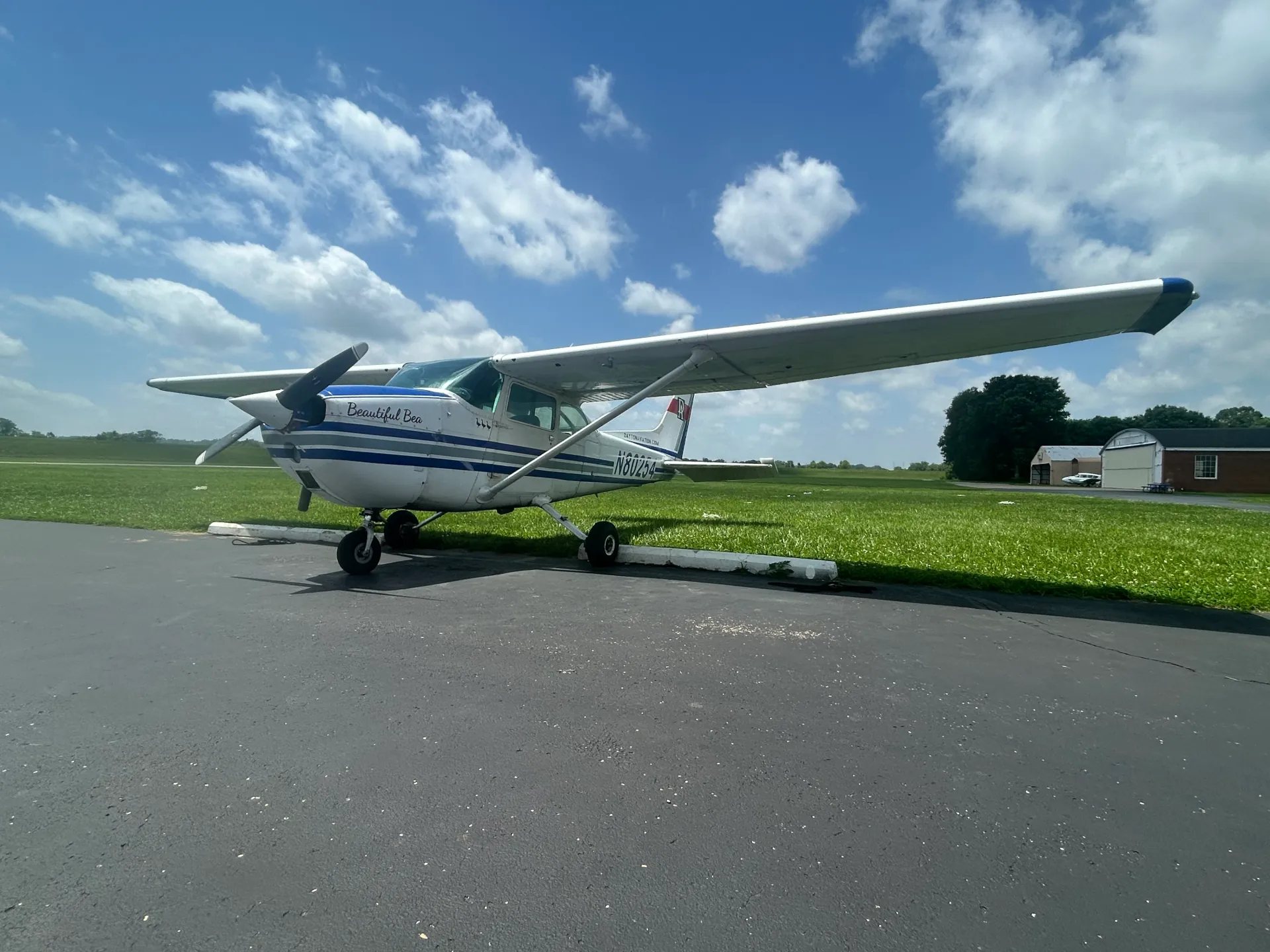
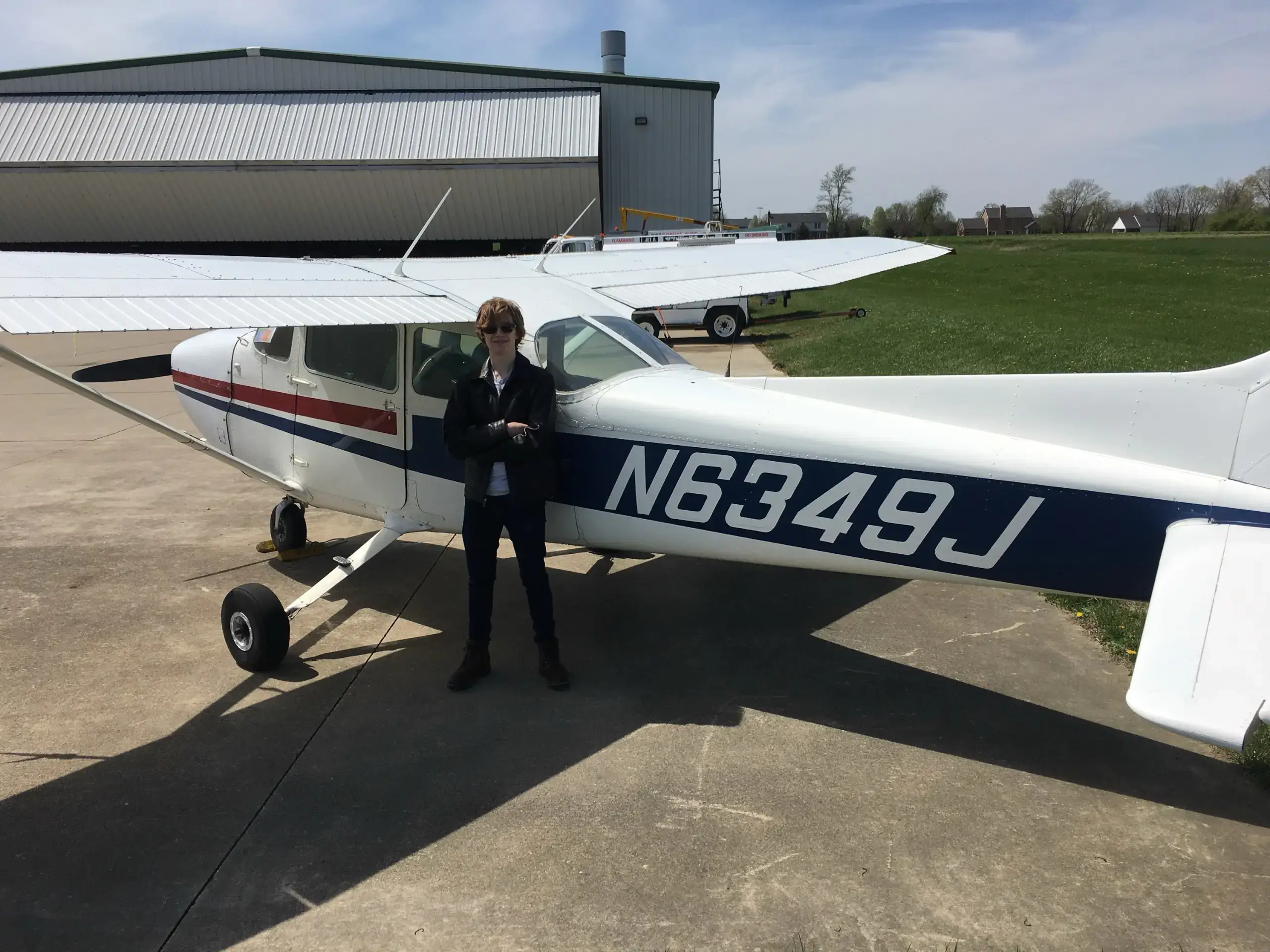
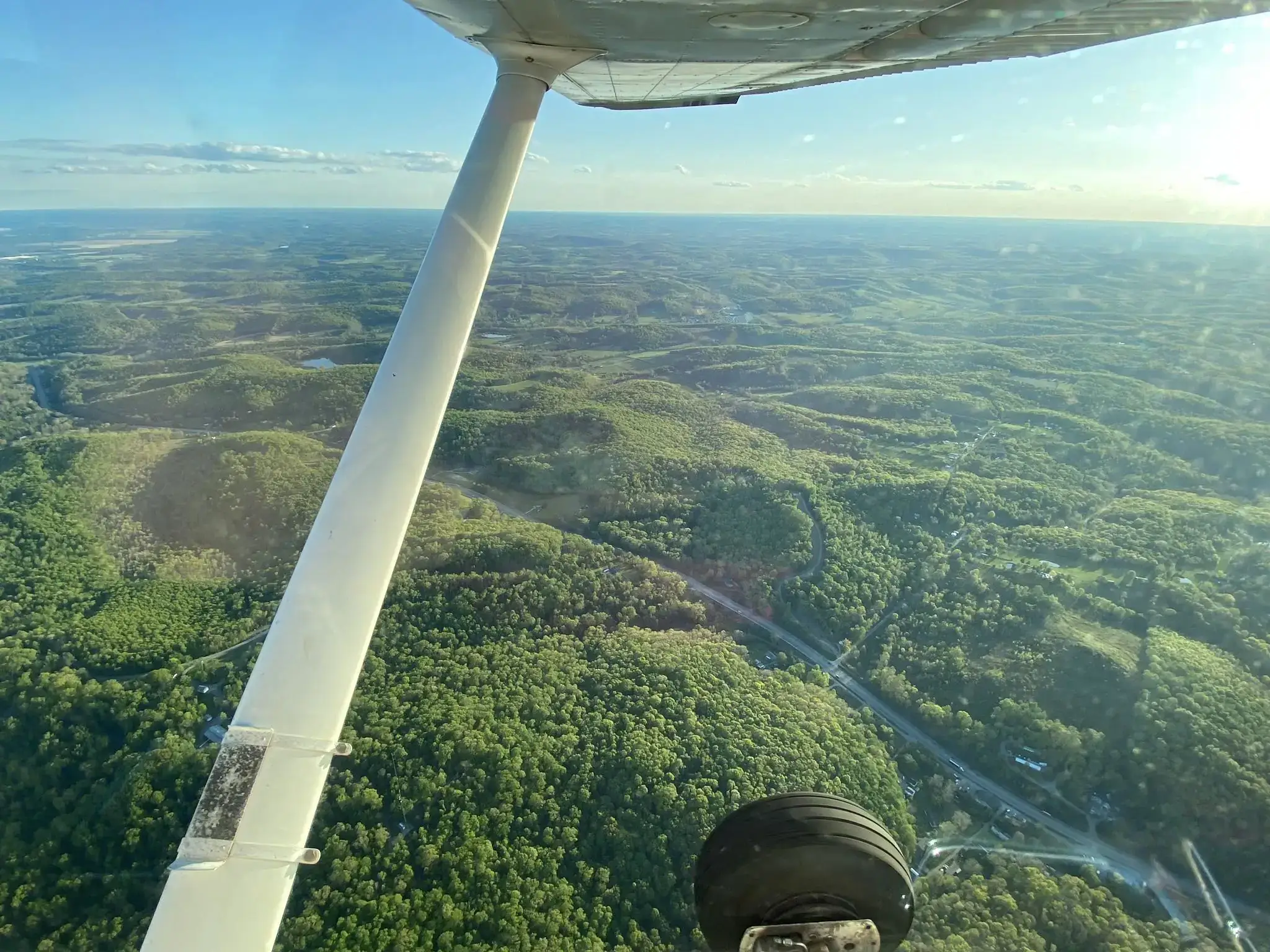
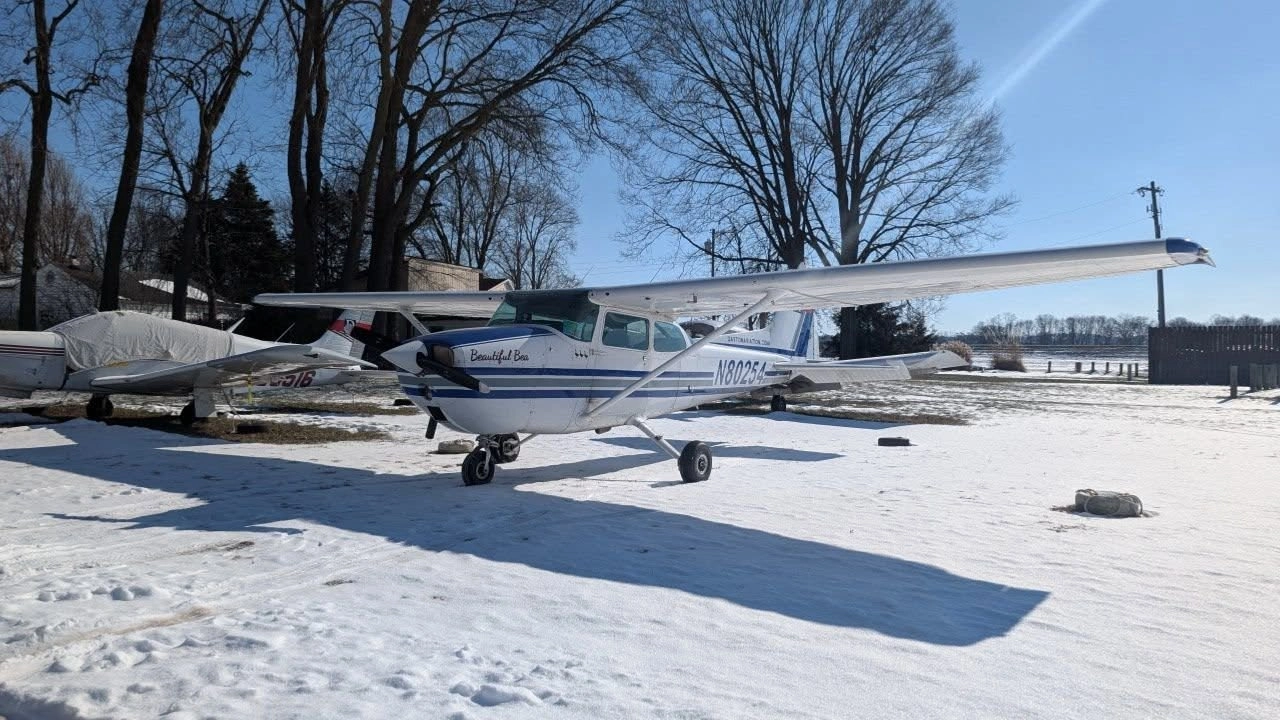
Cessna 172 aircraft rental can give new and current pilots a familiar platform for local flying and proficiency.
The rental checkout should make your first post-certificate flights clearer: which airplane fits, what procedures matter, and how to launch without guessing.
Choose the Airplane Around the Mission
The right rental aircraft depends on the flight you are planning. A local proficiency hop, a relaxed sightseeing flight, an instrument-practice flight, and a complex-aircraft checkout do not all ask the same thing from the airplane or the pilot.
Our fleet includes light sport, Cessna 172, IFR-equipped, and complex aircraft options. That range lets you match the airplane to your mission.
| If your next flight is… | Rental fit to discuss | Why it helps |
|---|---|---|
| Local recreational flying | Light sport or familiar trainer options | Keeps the flight focused on comfort, planning, and proficiency |
| Post-private-pilot practice | Cessna 172 rental options | Gives you a familiar trainer-style platform for local work and short trips |
| IFR proficiency or instrument training support | IFR-equipped aircraft, when appropriate | Helps you connect aircraft equipment, currency, and instructor support |
| Stepping into retractable-gear operations | Complex PA28R-200 path | Requires the right checkout and endorsement planning before acting as pilot in command |
Published rates and fuel surcharges can change, so use the fleet information as a starting point and contact us for current rental details before you build a budget around a specific aircraft.
Keep Proficiency on the Calendar Before Rust Gets Comfortable
The easiest way to stop flying is to wait until you have a “good enough” reason. A month becomes two. Weather interrupts a plan. Work gets busy. Then the next rental feels bigger than it should.
Aircraft rental works best when you give yourself a rhythm and that means treating proficiency as part of ownership of the certificate. Short local flights, pattern work, navigation practice, and an occasional instructor session can keep your scan, radio comfort, and aircraft handling from fading.
If you have been away from the cockpit for a while, a Flight Review can be a useful reset with an instructor who helps you rebuild judgment, procedures, and confidence. For instrument-rated pilots, an Instrument Proficiency Check can help you address IFR currency and cockpit discipline with the seriousness it deserves.
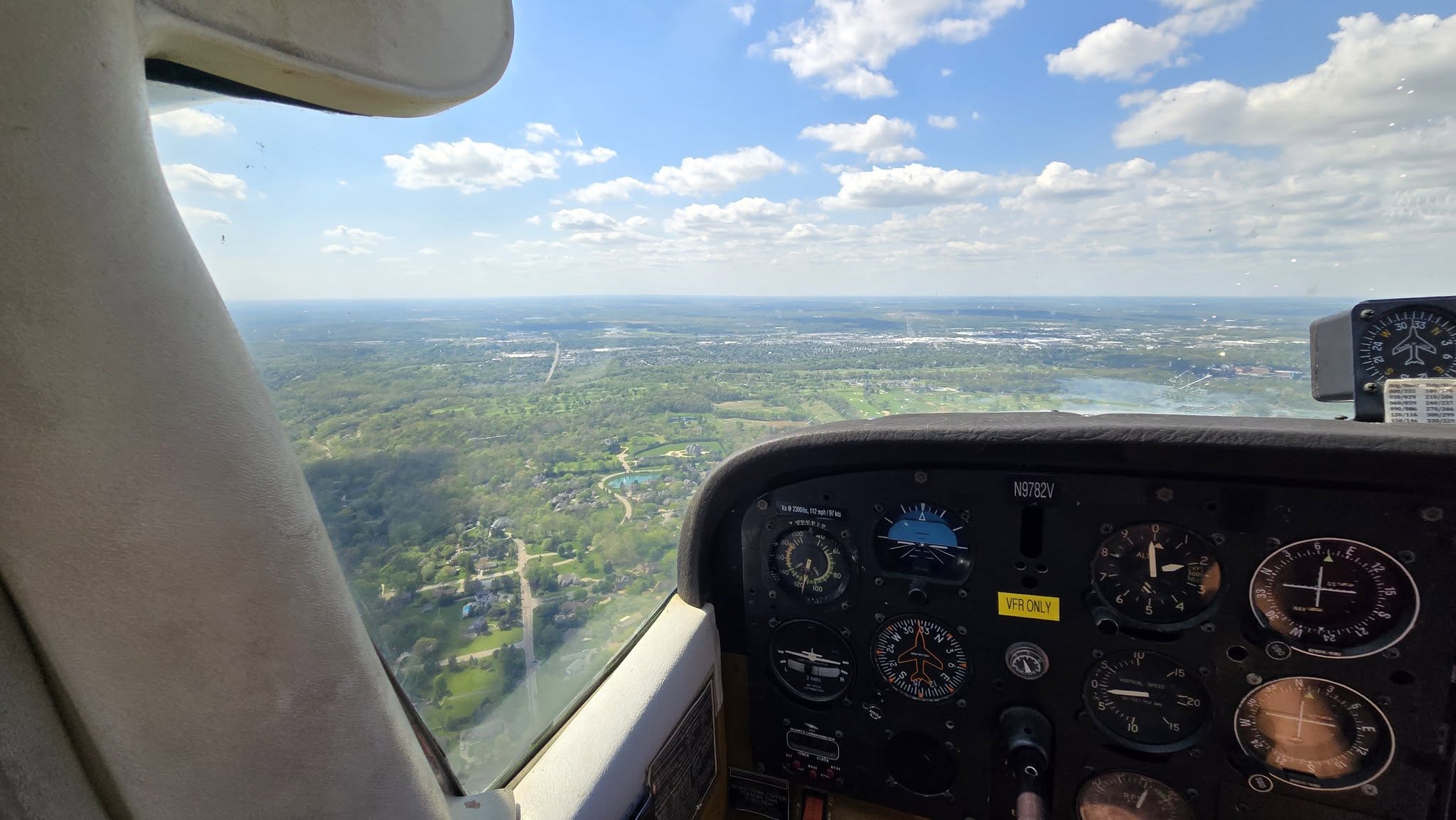
Proficiency flying keeps cockpit flows, scan habits, and decision-making from turning into guesswork.
Our pilot library also gives renters a place to review manuals, standard operating procedures, checklists, and aircraft documents before a flight. The better prepared you are before you arrive, the more useful the rental time becomes.
Plan Cross-Country Rentals
One of the best parts of a pilot certificate is that flying can become useful for travel, recreation, and confidence building. Maybe you want to take someone up over familiar roads, fly to lunch, visit family, or build comfort outside the local practice area.
Cross-country rental is where planning matters. Aircraft availability, pilot qualifications, checkout completion, weather, scheduling, and applicable policies all affect whether a trip fits. Bring us the route, timing, passenger plan, and your recent experience early so we can review the right aircraft rental step with you.
That planning conversation should include:
- Aircraft fit
Does the airplane match the route, passenger/load needs, equipment, and runway environment? - Pilot fit
Are your certificate, ratings, endorsements, currency, and recent experience aligned with the flight? - Weather fit
Are you planning a trip with enough flexibility for real weather decisions? - Schedule fit
Does the reservation give the flight enough time without pressuring a rushed return? - Budget fit
Have you planned for aircraft rental, fuel surcharge, instruction if needed, and possible schedule changes?
If financing or payment timing affects how often you can fly, bring that up before you set a rental rhythm. Training and rental budgets vary, and a practical plan is better than a calendar full of flights you cannot sustain.
Use Rental to Decide What Kind of Pilot You Want to Become Next
After the first certificate, rental can do more than keep you current. It can help you decide what kind of pilot you want to become next.
Some pilots use rental to stay local and enjoy the privileges they earned. Some start noticing that weather is limiting their trips and begin looking at an Instrument Rating. Some want more aircraft capability and ask about a Complex Endorsement. Others realize they miss structured progress and start comparing Commercial Pilot or Certified Flight Instructor training.
We give pilots a place to keep using the certificate after training. Rental keeps you connected to the schoolhouse, the aircraft, and the conversations that shape later ratings, endorsements, and proficiency work.

As your goals grow, aircraft rental and endorsement planning can help you step into more advanced flying carefully.
If you are not sure what the next step should be, start with the flight you want to make in the next 30 to 60 days. A clear, modest mission often reveals whether you need a checkout, a proficiency lesson, a rental reservation, or a new training goal.
Common Aircraft Rental Questions After Certification
What do I need before renting an aircraft?
Aircraft rental requirements depend on the aircraft, your certificate and ratings, your recent experience, checkout status, and the policies that apply. Contact the team with your certificate level, total time, recent flight experience, and the aircraft you want to rent so we can outline the checkout requirements.
Can I rent an aircraft for cross-country travel?
Cross-country rental depends on aircraft availability, pilot qualifications, checkout completion, weather, scheduling, and applicable policies. If you have a route in mind, send us the timing, destination, passenger plan, and your recent flying experience so we can review the fit.
Do I need an instructor after I already have a certificate?
Sometimes, yes. A certificate gives you privileges within the rules that apply, but an instructor can still help with a new aircraft checkout, a return after time away, a Flight Review, an Instrument Proficiency Check, or preparation for a more advanced aircraft.
Which rental aircraft should a new private pilot start with?
Many new private pilots start with a familiar trainer-style aircraft, but the right choice depends on your checkout, recent experience, route, comfort level, and the aircraft available. Our fleet gives you options to discuss before you reserve.
Should I rent before starting instrument training?
Rental can help you keep flying while you consider another rating. If weather, travel, or cockpit discipline is becoming part of your flying goal, review our Instrument Rating path and talk with us about how aircraft, instructor time, and proficiency fit together.
Keep the Certificate Alive at Moraine Airpark
After the checkride, aircraft rental can keep flying structured through local flights, cross-country planning, proficiency resets, and future ratings.
If you are ready to keep flying after your certificate, contact Dayton Aviation Services with your certificate level, recent experience, and the aircraft or mission you have in mind. We will help you sort out the checkout, rental fit, and scheduling path at Moraine Airpark.