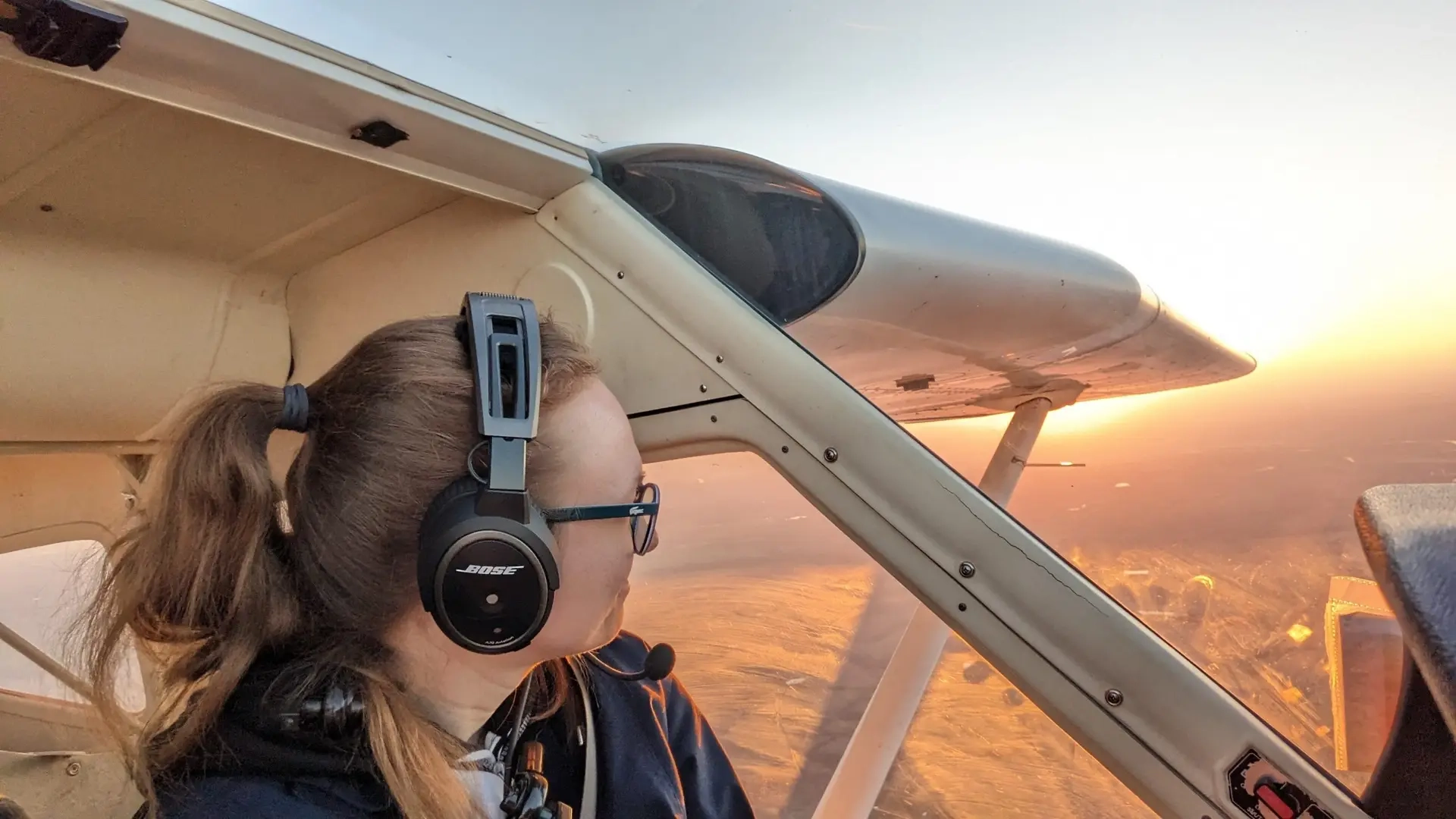
Learn to Fly
Start with a hands-on discovery flight, compare sport and private pilot paths, and build toward the kind of flying you actually want to do.
Introduction to Flying
Your First Step Is Simpler Than You Think
Learning to fly starts with curiosity, not experience. Your instructor teaches you how to inspect the airplane, use checklists, communicate, control the aircraft, and make safe decisions one lesson at a time.
At Dayton Aviation Services, the goal is to turn that first interest into a clear training plan. Some students want recreational flying close to home. Others want family travel, advanced ratings, or a professional aviation path. The right first step is understanding what you want flying to do for you.
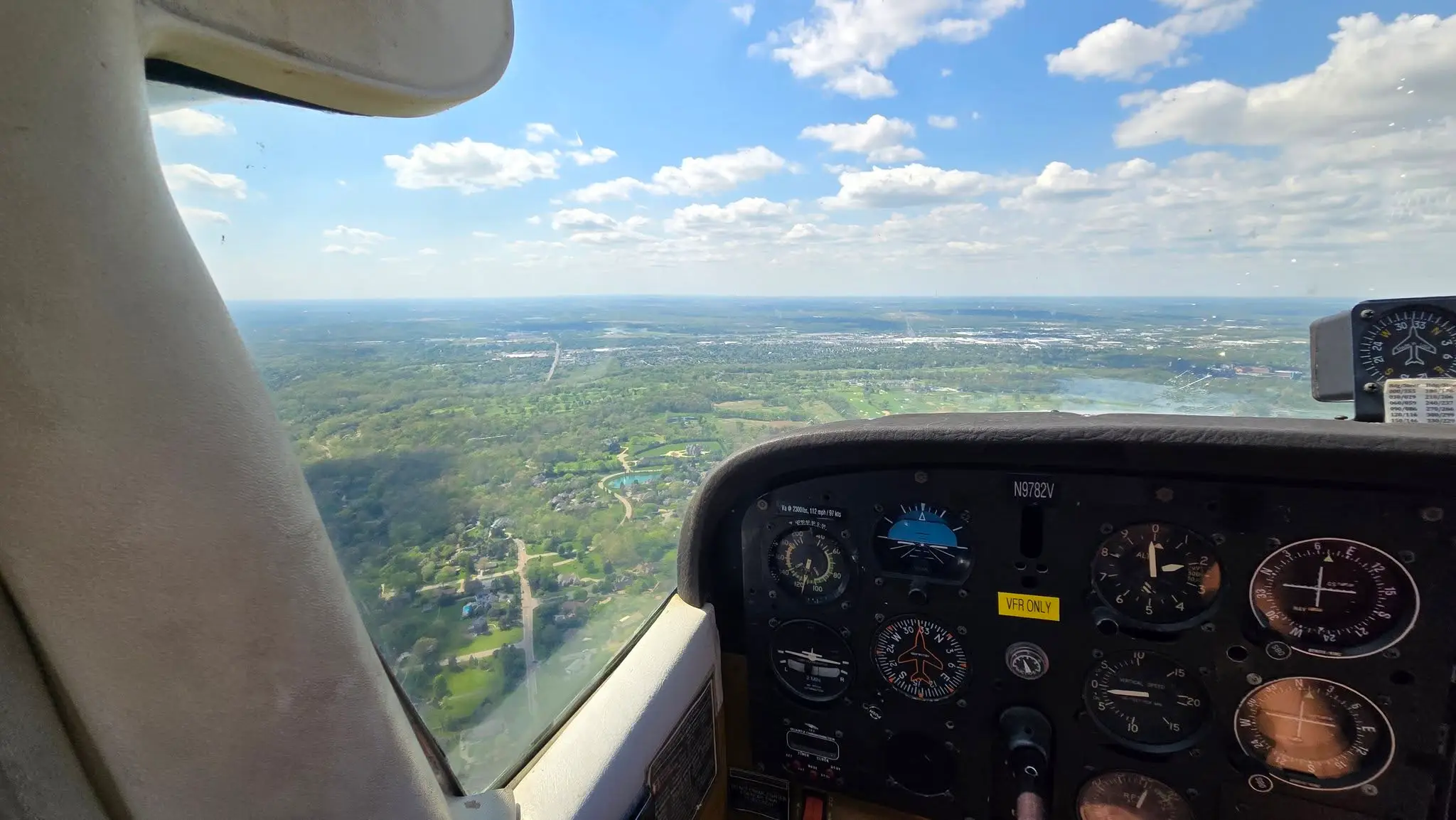
Three Step Flight Training Path
From Curious Flyer to Capable Pilot
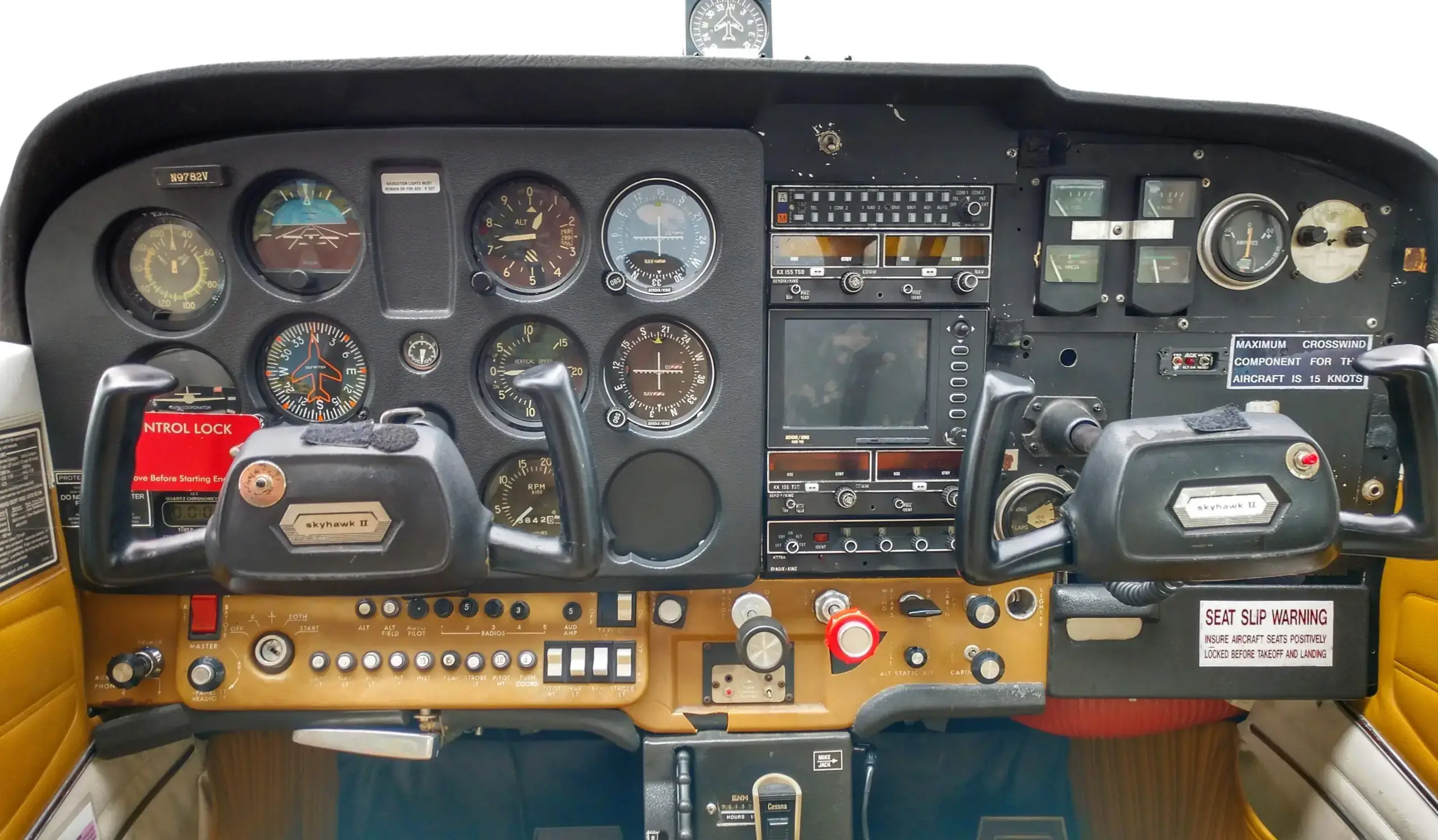
New students begin with fundamentals: meeting an instructor, seeing the aircraft, learning the preflight flow, and getting a first feel for the cockpit.
The Beginning
Discovery Flight
A discovery flight is your introduction to flying and to our school. You will meet a certified flight instructor, see how pilots prepare for a lesson, and experience the airplane from the front seat.
If you decide to continue training, the flight can become the first entry in your logbook.
- No prior flight experience required
- Hands-on introduction with a certified instructor
- A practical way to compare flight training before enrolling
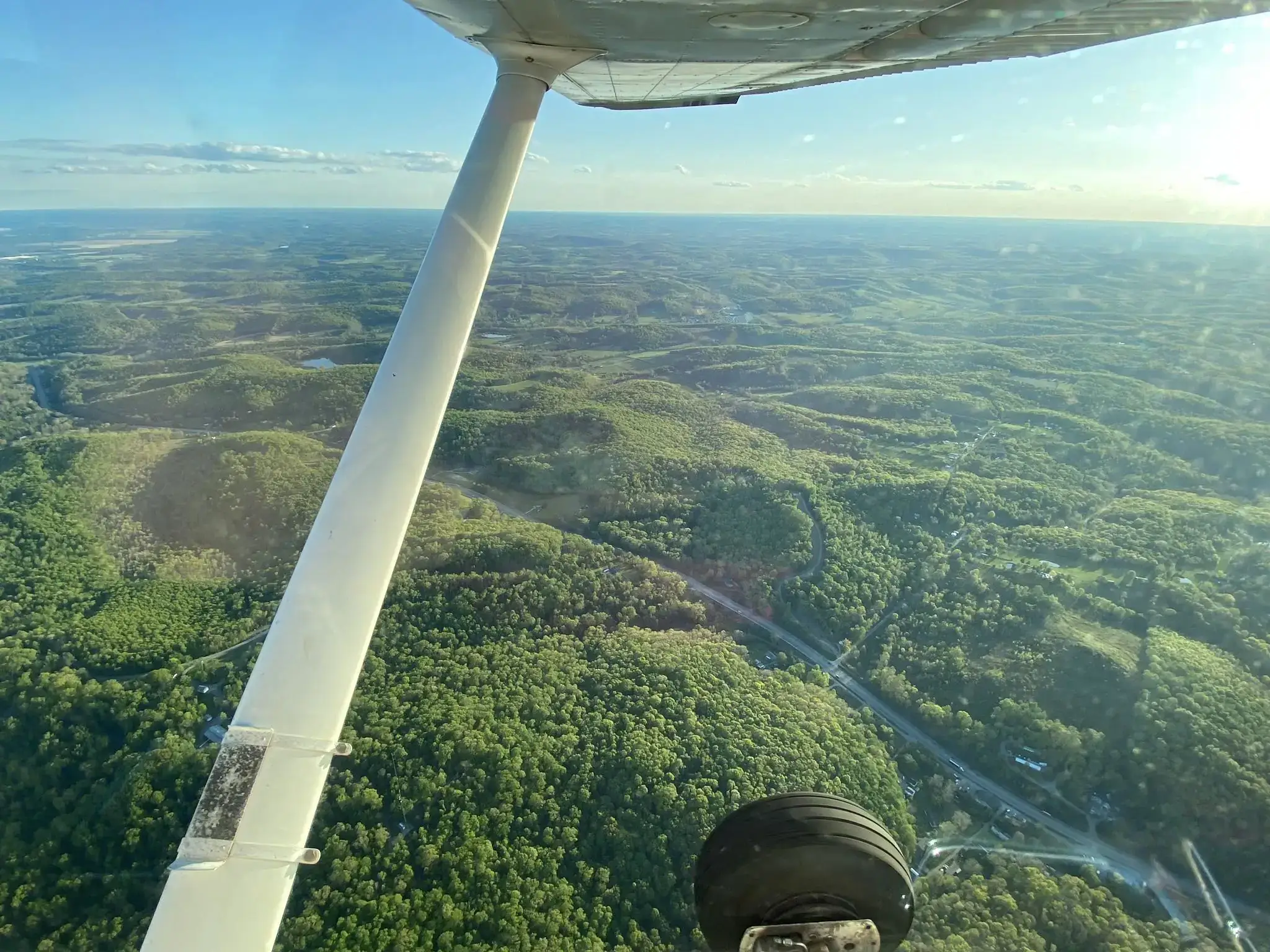
Choose Your Path
Sport Pilot or Private Pilot
After your first flight, the next decision is which certificate fits your flying goals. Sport Pilot can be a focused path for recreational flying, local trips, and one passenger. Private Pilot gives you broader privileges for day or night flying, cross-country travel, and future ratings.
Your instructor can help you compare medical requirements, aircraft options, training pace, and the kind of flying you want to do after the checkride.
- Sport Pilot for focused recreational flying
- Private Pilot for broader personal travel and future training
- Structured ground and flight lessons built around proficiency
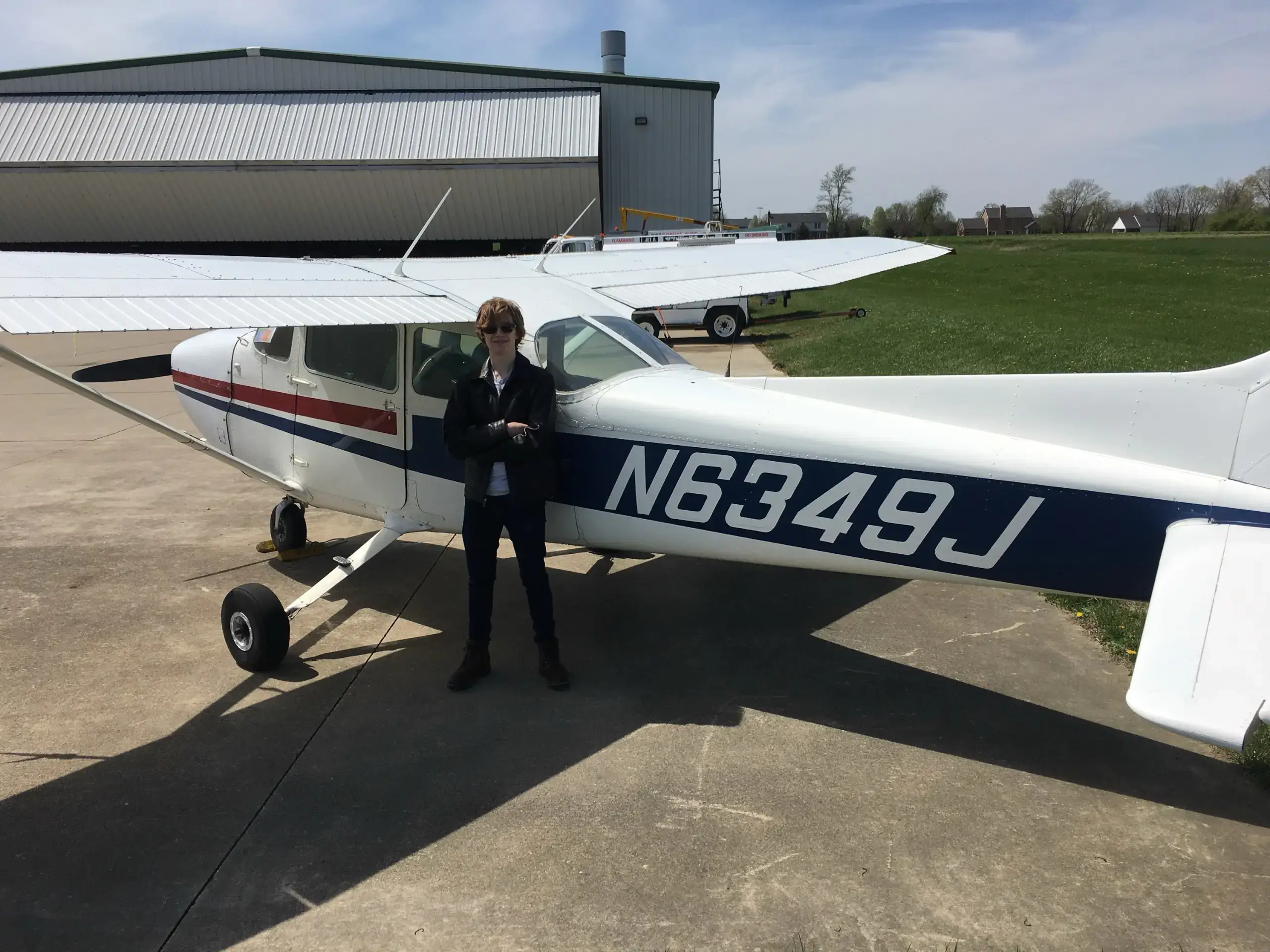
Take it Further
Advanced Ratings
A pilot certificate is only the beginning. Many pilots continue into instrument training, commercial pilot training, instructor certification, or aircraft-specific endorsements as their goals expand.
Advanced ratings help you fly with more precision, better weather judgment, and a clearer path toward professional or personal aviation goals.
- Instrument Rating for IFR skills and stronger weather decisions
- Commercial Pilot and CFI training for career-track pilots
- Endorsements and proficiency checks to keep improving
After the Checkride
What Can You Do With Your Pilot's License?
A pilot certificate gives you more than a single accomplishment. It gives you options: personal travel, shared experiences, continued training, and a foundation for future aviation goals.
Use your pilot certificate for regional trips, weekend travel, and visiting airports that are inconvenient by car.
Take friends or family flying within the privileges and limitations of your certificate, aircraft, and endorsements.
Continue into instrument training, commercial pilot training, flight instructor training, or aircraft endorsements.
Use private pilot training as the foundation for the ratings and experience required for professional aviation.
Why Us
Training at the Closest Airport to Downtown Dayton
Dayton has aviation in its identity, and {COMPANY_NAME} keeps the training experience practical: learn from real instructors, fly real lessons, and keep building after each flight.
Instructor-Led Guidance
You work with instructors who help connect each lesson to your real goal, whether that is recreation, travel, proficiency, or a career path.
Practical Training Pace
Lesson pacing accounts for consistency, weather, aircraft availability, study habits, and the proficiency each student demonstrates.
No Club Dues or Extra Friction
Train from the closest airport to downtown Dayton with straightforward scheduling, aircraft access, and no club-style dues model.
FAQ
Learn to Fly Questions
Do I need any prior experience or background to start?
No prior aviation experience is required. All training begins with fundamentals and builds toward advanced skills.
What are the requirements to start flight training?
In order to start training for a private pilot license, the base certification for flight training, you must:
- Be proficient in English.
- Be at least 17 years old when you complete the course.
- Have proof of U.S. citizenship or completed TSA approval.
- Hold at least a Third-Class Medical Certificate before you can fly solo. An FAA medical exam by an Aviation Medical Examiner (AME) is required.
What does flight training consist of?
Training includes:
- Ground School
Classroom instruction covering aerodynamics, regulations, weather, navigation, and safety. - Dual Flight Instruction
Flight hours with a certified instructor. - Solo Flight Time
Supervised solo flights once eligibility and proficiency standards are met. - Written and Practical Exams
FAA Knowledge Tests and Check-Rides.
Can I train part-time?
Yes. Dayton Aviation supports both full-time and part-time students with flexible scheduling.
How often should I schedule flight lessons?
Most students make better progress when they fly consistently, often two or more times per week when their schedule and weather allow. Consistent training helps reduce review time between lessons and keeps skills fresh.
What should I bring to my first training lesson?
Bring a government-issued photo ID, any pilot or medical documents you already have, comfortable weather-appropriate clothing, and a way to take notes. If you are starting formal training, the team will also explain TSA citizenship or approval documentation before applicable flight training activities.
Is a discovery flight a real flight lesson?
Yes. A discovery flight is an introductory lesson with a certified flight instructor, and the flight time can be logged toward a pilot certificate.
How long is the flight?
Plan on a reserved block of time with your instructor, including the preflight introduction and about 30-40 minutes in the airplane.
Do I need any experience before booking?
No prior flight experience is required. Your instructor will guide you through the aircraft, procedures, and what to do in the cockpit.
Can I buy a discovery flight as a gift?
Yes. Discovery flight gift certificates are available for aspiring pilots, adventurous friends, and anyone who wants to experience flight.
What happens after the flight?
If you want to continue, we can help you choose the next lesson or compare recreational and professional training paths based on your goals and schedule.
Got any more questions? Contact us and we will be happy to answer.
Start Flying
Do Not Delay Your Dream Any Longer
Flying is more approachable than most people expect when the next step is clear. Start with a discovery flight, ask us which certificate fits your goals, or begin enrollment when you are ready.
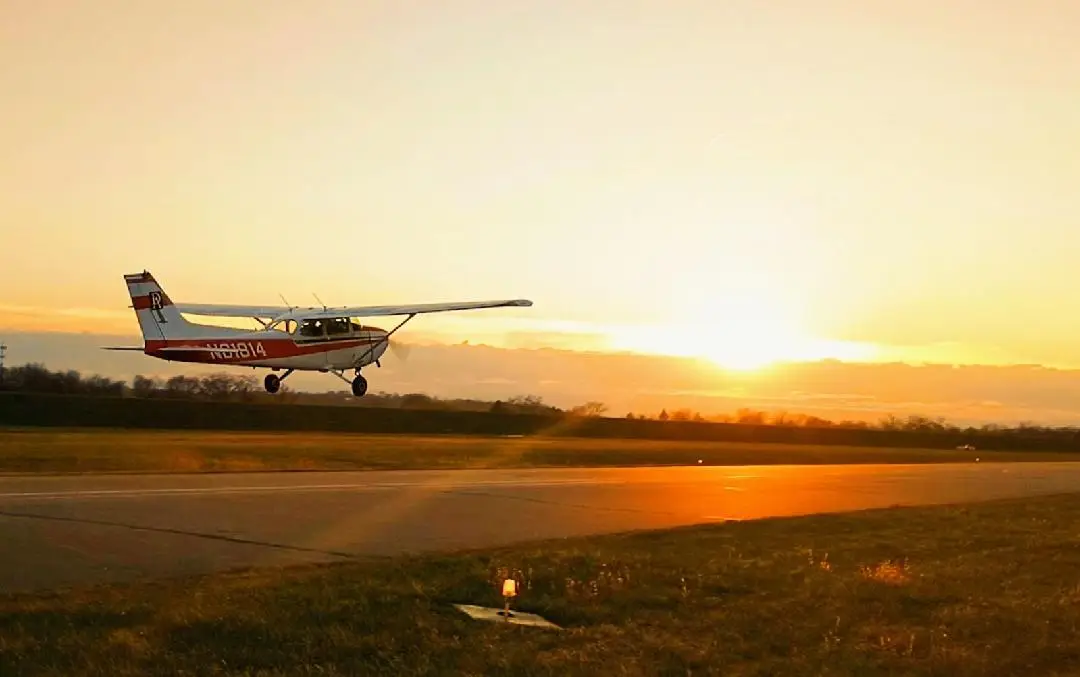
Dayton Aviation Services trains at Moraine Airpark (I73) in Dayton, OH, with a practical path from first lesson through advanced ratings.