Part 61 Flight Training for Busy Dayton Students

Published by
Rich CoxPublished on
Read time
8 min read
If you are trying to fit flight training around work, school, family, or a packed calendar, Part 61 flight training may be the structure that makes starting realistic.
Part 61 is the FAA rule set that covers pilot certification and training requirements. For a student, the difference is how training can be organized. At Dayton Aviation Services, our Part 61 setup at Moraine Airpark lets us shape the training plan around your goals, schedule, and learning style while still working toward the FAA requirements for the certificate or rating you choose.
That flexibility works when it is paired with consistent practice, study time, weather planning, aircraft availability, instructor availability, and checkride readiness. The goal is to protect momentum even when your calendar is full.
Part 61 Gives You a Structured, Flexible Calendar
The first thing to know is simple: Part 61 still follows FAA standards. You train toward FAA requirements, instructor endorsements, aeronautical knowledge, flight proficiency, and a practical test when your certificate or rating requires one.
What changes is the way the path can be paced. A Part 141 school operates FAA-approved courses with a more formal curriculum structure. Part 61 training can give the instructor and student more room to adjust lesson pacing, review weak spots, schedule around life, and build the next lesson from the student’s actual progress.
For a busy student, that can matter more than it sounds. Maybe your best lesson window is a weekday morning before work. Maybe Saturdays are possible but weeknights are packed. Maybe college classes or a rotating shift make a rigid training block unrealistic. We provide a path that turns those constraints into a schedule you can actually repeat.
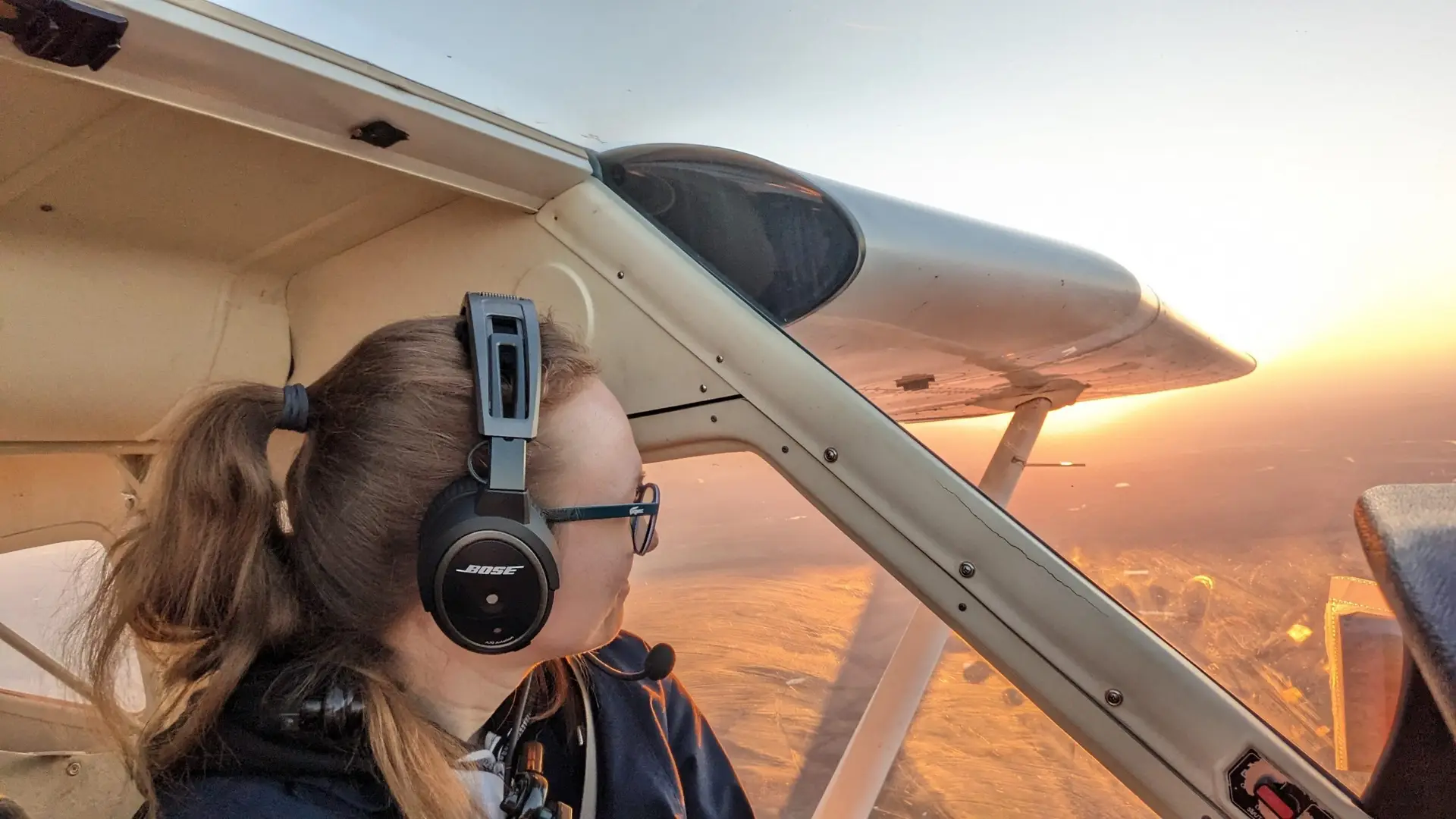
A good training plan respects your calendar while still keeping the flying serious.
The useful question is, “What schedule can I actually repeat often enough to keep learning?”
Flexibility Works Best When You Protect Consistency
Busy students often think the schedule problem is only about finding open time. The real challenge is finding a rhythm that keeps skills from getting rusty between lessons.
Flying is physical, mental, and procedural. You are building sight picture, radio comfort, checklist habits, aircraft control, weather judgment, and decision-making. If lessons are too far apart, the first part of each flight can become review before forward progress resumes.
That is why our one-to-one instruction matters. We can talk through your availability, match you with an instructor whose schedule fits, and help you choose a training pace that gives you a fair shot at momentum. Some students can fly several times per week. Others need a steadier part-time pace. The right plan is the one you can sustain.
Here is a practical way to think about it:
| If your life looks like… | What we help you plan | Useful resource |
|---|---|---|
| Full-time work with limited weekdays | A repeatable lesson window, study time between flights, and realistic expectations for weather delays | Start with Learn to Fly or a discovery flight |
| College or high school schedule | Training blocks that do not compete with exams, sports, or family commitments | Compare Sport Pilot and Private Pilot goals |
| Family calendar with changing weekends | A plan that protects consistency without pretending every week will look the same | Contact us through the schoolhouse form |
| Current pilot needing proficiency | Focused lessons for a flight review, IPC, endorsement, or return to currency | Review Flight Reviews or Instrument Proficiency Checks |
Part 61 flexibility gives you room to train well when lesson frequency stays intentional. Consistency is still one of the biggest cost and confidence protectors in flight training.
Your Plan Should Include Ground Study and Airplane Time
The airplane gets most of the attention. Ground study determines how much of each flight can move forward.
Under Part 61, your instructor can help you connect ground knowledge to the flight lessons you are actually doing. That includes regulations, weather, aircraft systems, performance, navigation, airspace, radio communication, and checkride standards. For private pilot training, those topics are not side work. They are part of becoming safe and ready.
If your calendar is tight, ground study is where you can protect momentum between flights. A short study session after work, a weather briefing review before the next lesson, or a focused chair-flying session can make the next cockpit hour more productive.
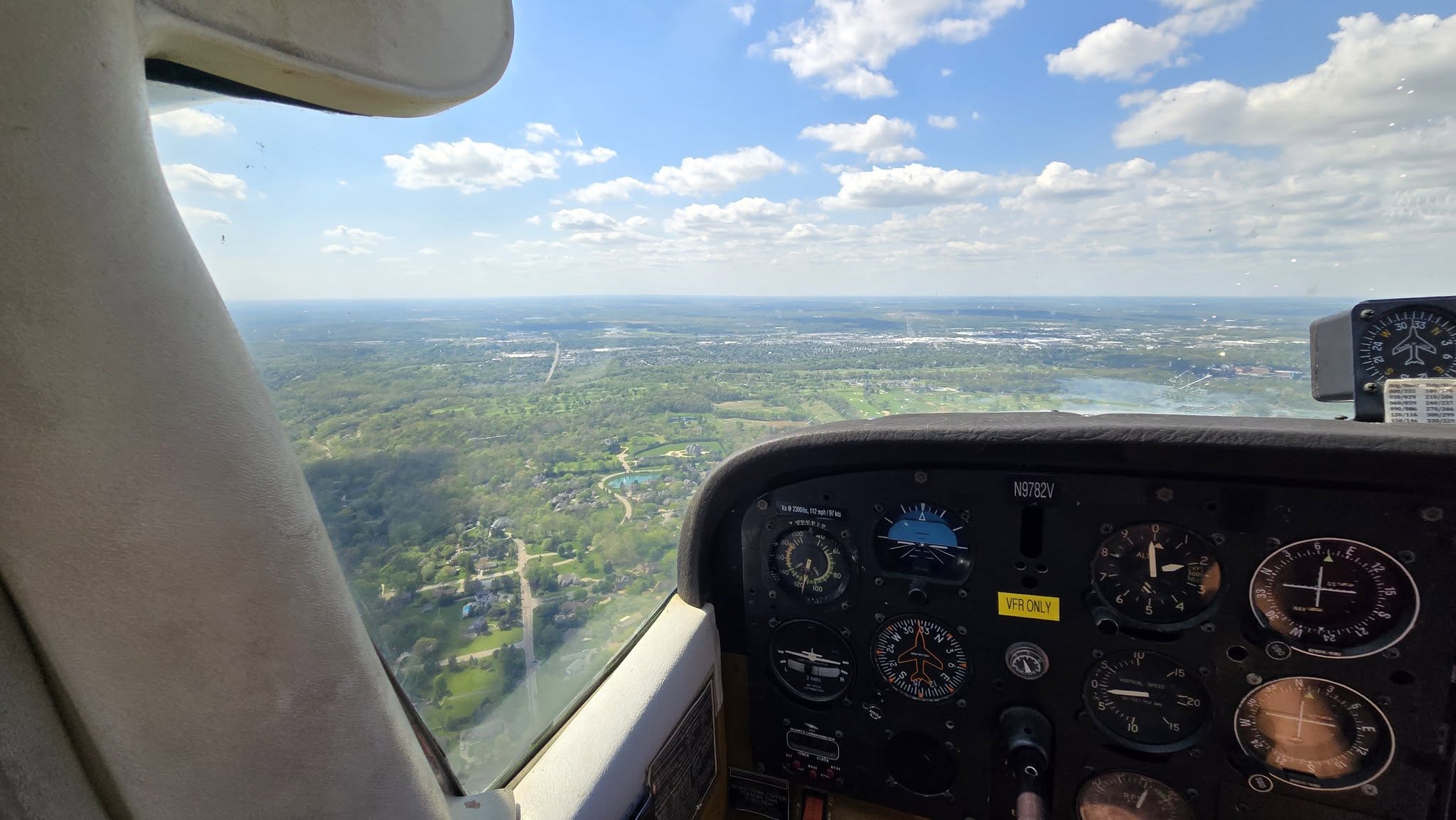
Ground study helps the cockpit make more sense when the lesson starts moving.
At Dayton Aviation Services, students can use our pilot library and schoolhouse resources to keep studying between lessons. New students can start with the habit early: fly, review, study, ask, repeat.
Part 61 Can Fit Different First Goals
Busy students do not all start with the same mission. Some want a recreational path. Some want family travel. Some want an eventual instrument rating, commercial certificate, or instructor certificate. Part 61 training gives us room to map the first step around that goal.
If you are still deciding between Sport Pilot and Private Pilot, the schedule conversation should happen alongside the certificate conversation. Sport pilot may fit a focused recreational mission. Private pilot usually gives more room for broader passenger, night, cross-country, and later-rating goals.
If you already hold a certificate, Part 61 training can also support a next step such as an Instrument Rating, Commercial Pilot, Certified Flight Instructor, Flight Review, or Instrument Proficiency Check.
The plan should start with a plain question: what do you want flying to do for your life?
From there, we can talk through the training path, aircraft fit, study time, current rates, instructor availability, and the pace that gives you the best chance to keep moving.
Budget Planning Should Match the Way You Train
FAA minimum hours are regulatory minimums. Personal completion estimates depend on proficiency, lesson frequency, weather, aircraft availability, instructor time, ground preparation, testing, supplies, and examiner fees.
That makes schedule planning part of budget planning. A student who flies consistently and studies between lessons may waste less time relearning. A student who disappears for long stretches may need more review before moving forward. Neither student is “bad.” They just need honest planning.
Before you commit to a training pace, talk through the cost pieces separately:
- Aircraft time and any current rental details
- Instructor time for flight and ground instruction
- Knowledge test, practical test, and examiner costs
- Books, supplies, headset, apps, or study tools
- Medical, eligibility, or documentation questions
- Payment timing or financing questions, if those affect your decision
Every student’s training total depends on real planning variables. We can help you understand the current pieces and build a realistic path before you enroll.
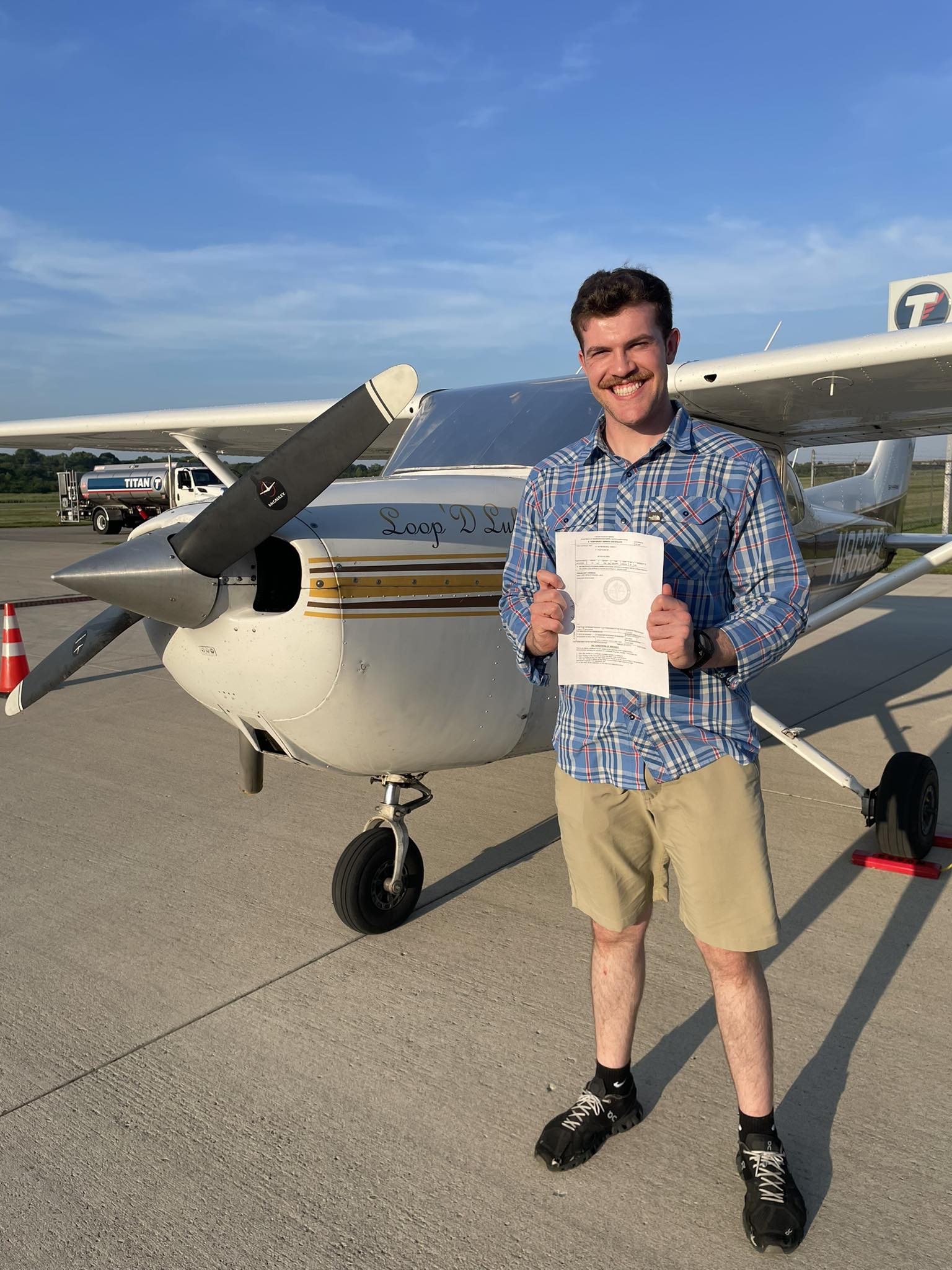
Consistent lessons and honest budget planning help busy students stay connected to the goal.
A Discovery Flight Makes the Schedule Conversation Real
If you have not flown with us yet, a discovery flight is the easiest way to turn research into a real training conversation.
You will meet the team, see the schoolhouse, sit in the airplane, and get a feel for how instruction works at Moraine Airpark. That first flight can also help you talk more clearly about schedule, certificate choice, cost planning, and what kind of training pace you can actually maintain.
This is often the moment where the idea stops being abstract. The question becomes what the first few weeks could look like, which certificate fits, and how to keep the path from fighting your calendar.
We train. We fly. We train again. For a busy student, that rhythm matters.
Common Part 61 Training Questions
Is Part 61 flight training easier than Part 141?
No. Part 61 can be more flexible in pacing and scheduling, but it does not remove FAA requirements or practical-test standards. You still need the required knowledge, proficiency, endorsements, and readiness for the certificate or rating you are pursuing. Start with our Learn to Fly page if you want help comparing the path.
Can I train part-time if I work full time?
Yes, many students train part-time, but the schedule still needs consistency. We can help you look at your work calendar, lesson windows, study time, and weather realities before building a plan. A discovery flight is a practical first step if you are still testing the idea.
How often should I fly during training?
The best pace depends on your goals, budget, availability, and how quickly you retain skills between lessons. In general, long gaps can slow progress because more lesson time may be spent reviewing. We can help you choose a repeatable rhythm before you enroll.
Does Part 61 cost less?
Cost depends on aircraft, instructor time, proficiency, lesson frequency, weather, supplies, testing, examiner fees, and current school rates. Part 61 flexibility can help you plan training around your schedule, while the final cost still depends on how training actually progresses.
Which certificate should a busy beginner choose first?
It depends on your mission. Sport Pilot may fit a focused recreational goal, while Private Pilot gives a broader foundation for travel, night training, passengers, and later ratings. We can help you compare both before you commit.
Can I use my own airplane for Part 61 training?
Dayton Aviation Services offers Part 61 courses in your own plane or in one of our rental aircraft. Aircraft, instructor, insurance, and scheduling details need to be reviewed before training begins, so contact us to talk through the details.
Start With a Plan That Fits Your Real Life
Part 61 training works best when flexibility and consistency work together. Busy students need a realistic training rhythm, clear cost pieces, and lessons that stay connected from one flight to the next.
Start with a discovery flight at Moraine Airpark or send the schoolhouse a note through our contact form. We will help you turn your schedule, goals, and questions into an initial training plan.